Flat Roof Maintenance Tips for Long-Lasting Performance
Why flat roof maintenance keeps water out and money in
Flat roof maintenance means small, regular checks that stop small problems turning into big bills. Look after outlets, seams, and edges. The NFRC guidance on flat roofs explains what to watch. UK rain and storms can stress roofs, as the Met Office advice on heavy rain shows. If you need to go up, follow HSE roof work safety steps.
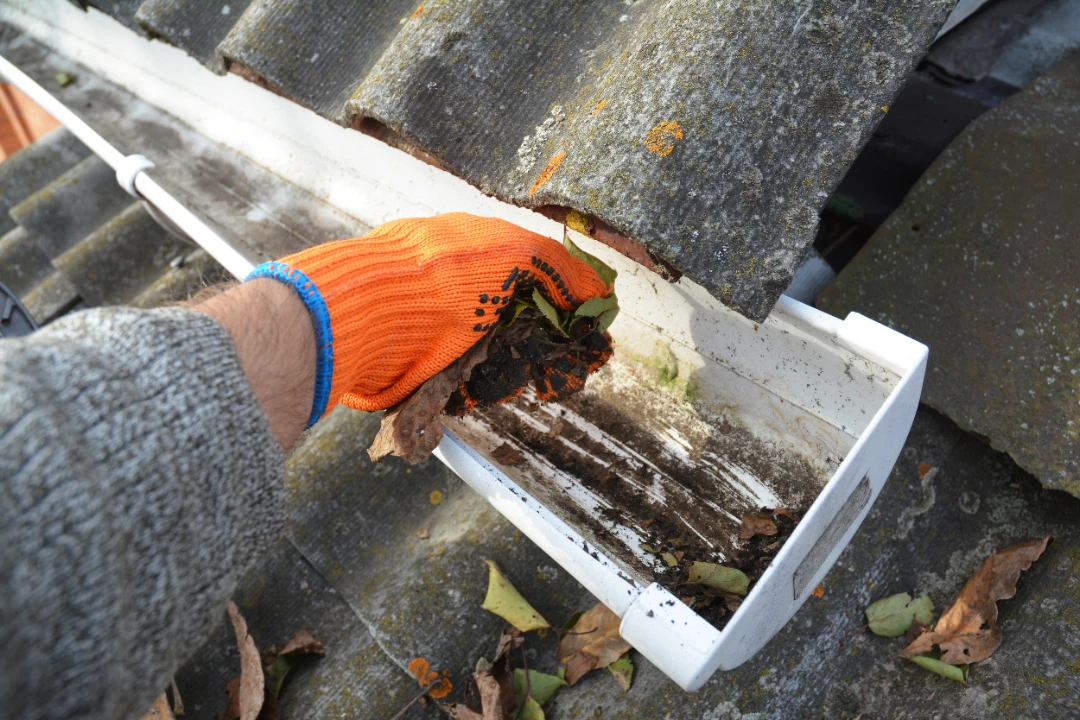
- Clear outlets and gutters so water can flow away.
- Check for ponding water after rain; puddles can pull at seams.
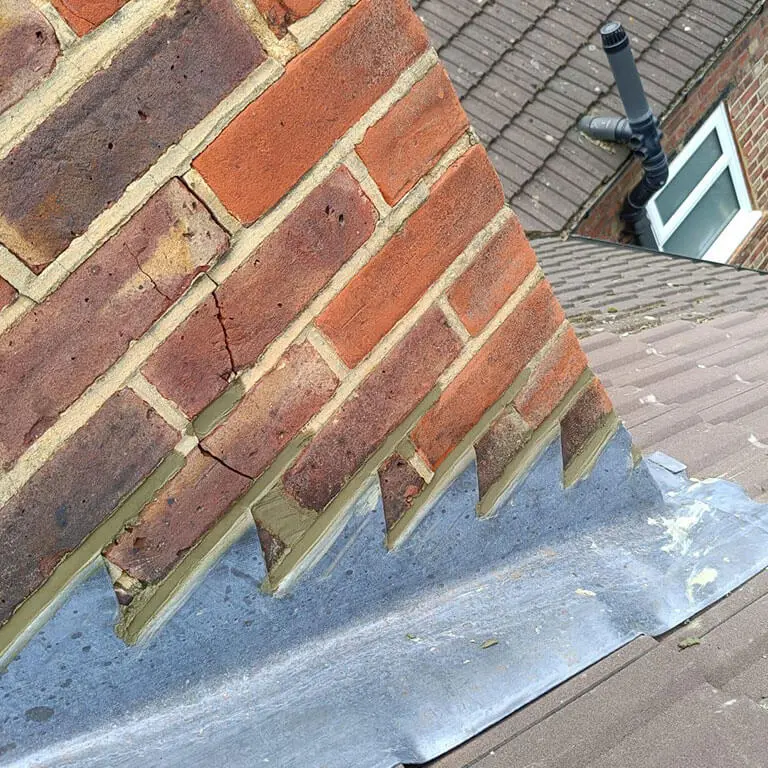
- Look at flashings around walls, skylights, and pipes.
- Trim back low branches that drop leaves and rub the surface.
- Take photos each season to spot changes fast.
| Option | What you do | Cost | Risk | Best for |
|---|---|---|---|---|
| DIY ground check | Look from the garden with binoculars | Free | Low | Quick monthly look |
| DIY roof check | Careful access and light clean | Low | Medium | Simple debris removal |
| Pro inspection | Full survey and report | Fixed quote | Low | Leaks, aging roofs, peace of mind |
Spot small issues early, like seeing a drip under the sink
Look after the easy stuff first. Leaves and silt block outlets. That makes puddles. Puddles make seams strain. Keeping water moving is half the job.
Use your phone camera. Take the same set of photos each season from the same spots. Changes jump out when you compare.
- Sweep light debris with a soft brush.
- Lift leaves from outlets by hand, not sharp tools.
- Check edge trims for gaps.
- Mark puddle spots with chalk so you can track them.
- Wait for a dry, calm day.
- Do a safe look from the ground first.
- If safe, go up with someone holding the ladder.
- Clean, check, and take photos.
If access is tricky or the surface feels soft, stop and call a roofer.
Stay safe first — roofs are high and hard
Think of safety like putting your seatbelt on. You do it every time. Wear firm shoes, keep three points on the ladder, and never step on weak spots like old skylight covers.
If in doubt, book a pro visit with our flat roofing service.
- Use a spotter at the ladder.
- Avoid windy or icy days.
- Do not lean out to reach debris.
- Check ladder feet are stable.
- Keep tools in a belt, not in hands.
- Come down if you feel unsure.
HSE guidance is clear: plan roof work and keep safe at edges.
Five simple habits that add years to a flat roof
Make small checks a habit. Two seasonal looks and one pro survey now and then go a long way. The NFRC flat roof advice supports a planned routine. Keep safe when looking, as the HSE roof work page explains. Keep moisture in balance indoors too; Energy Saving Trust advice on insulation and moisture helps stop damp.
- Blocked outlets are the top cause of ponding after storms.
- Photos help you notice cracks early.
- Seasonal trims reduce leaf build-up.
- Ventilation lowers condensation under the roof.
- Pro eyes spot hidden edge and flashing faults.
| Habit | How often | Why it helps |
|---|---|---|
| Clear outlets | Every season | Stops ponding |
| Photo check | Each visit | Tracks change |
| Trim branches | Twice a year | Less debris and rubbing |
| Ventilate loft/void | Ongoing | Cuts damp |
| Pro inspection | Every 1–2 years | Finds hidden issues |
Do a two-season rhythm, like changing your tyres
Pick spring and autumn. After winter, you clear grit and check for cracks. Before winter, you get outlets ready for rain and leaves.
Set calendar reminders. Keep a simple checklist stuck in a kitchen drawer.
- Spring: sweep, clear outlets, check seams.
- Autumn: clear leaves, trim branches, check flashings.
- Any storm: quick look for new puddles.
- Walk the route in the same order.
- Take photos at the same spots.
- Note anything new and the date.
Small, steady care beats rushed fixes later.
Know when to call a roofer
If you see blisters, lifting edges, soft spots, or water coming in, call us. These need tools and skill.
We offer fixed price quotes and no hidden costs, so you know what you will pay.
- Blister bigger than your palm.
- Puddle that lasts over 48 hours.
- Crack at a wall or pipe.
- Take a photo.
- Note the size and spot.
- Share it with our team for advice.
Get help fast to stop water reaching the layers below.
A simple step-by-step plan you can follow today
Use this flat roof maintenance plan to keep things easy. Wait for dry weather, then make safe checks. Clean gently and look for changes. The NFRC homeowner guide backs regular, light care. For any roof access, follow HSE roof safety. After heavy rain, the Met Office rain advice helps you plan your next look.
- Dry day checks reduce slip risk.
- Soft brushes avoid damage to membranes.
- Mark repeat puddles for a pro to assess falls.
- Edge and upstand joints are common leak points.
- Logs and photos build a clear roof history.
| Task | DIY or Pro | Time | Notes |
|---|---|---|---|
| Clear outlets | DIY | 10 mins | Wear gloves |
| Sweep light debris | DIY | 15 mins | Soft brush only |
| Check flashings | DIY | 10 mins | Look for gaps |
| Test seams | Pro | 30–60 mins | Needs tools |
| Fix falls/drainage | Pro | Half day | Design issue |
The quick routine — like cleaning your car windscreen
Clear what stops you seeing the surface. Then the problems show up by themselves.
Work from the outlet back to the centre so dirt does not fall into drains.
- Bag leaves so they do not blow back.
- Rinse gently if allowed and drains are clear.
- Keep metal tools off the roof skin.
- Set up safe access.
- Clear outlets first.
- Sweep and inspect.
- Take photos and notes.
If water sits near the middle, the falls may need a pro fix.
After a storm — make a calm, careful check
Storms move debris and can lift edges. Wait for safe weather, then do a slow look.
Focus on edges, pipes, skylights, and any past patch areas.
- Look for fresh scuff marks.
- Check ceiling indoors for new stains.
- Note wind-blown branches.
- Walk the same route you use each time.
- Compare to your last photos.
- Flag any new puddles or cracks.
If you see damage, book our flat roofing team for a fast fix.
Common questions from Chessington homeowners
How long should a flat roof last? It depends on the material and care; routine checks help it last longer, as the NFRC flat roof page notes. Is ponding a problem? Yes, long-standing water can harm seams. Is it safe to go up? Follow HSE roof safety. After heavy rain, plan checks with Met Office advice.
- Lifespan varies by material and care.
- Ponding for days can lead to leaks.
- Edges and flashings are common weak spots.
- Safety first for any access.
| Question | Short answer |
|---|---|
| How often should I check? | Spring, autumn, and after big storms |
| Can I pressure wash? | No, it can damage the surface |
| What about moss? | Lift gently; avoid harsh scrubbing |
| Do small blisters matter? | Watch them; call if they grow |
How long will my flat roof last?
Think of it like a car. Service and gentle use make it last. Good care and clear drainage can add many years.
Keep your log of photos and checks. It shows patterns over time and helps a roofer advise you.
- Material matters: felt, EPDM, GRP all differ.
- Sun, rain, and foot traffic change wear.
- Good edges and falls matter most.
- Keep outlets clear.
- Check seams and edges.
- Book a pro if things change fast.
A tidy roof is usually a healthy roof.
Is ponding always bad?
A small puddle after rain is normal. A puddle that stays for days is like a bath left full. It stresses the skin and joints.
Mark the area and watch it. If it stays, we may add outlets or improve falls.
- Measure depth with a coin.
- Note how long it lasts.
- Share photos with a roofer.
- Check after 24 hours.
- Check again after 48 hours.
- Call if it still sits there.
Fixing drainage early is cheaper than fixing wet layers later.
Can I walk on my flat roof?
Only if it was built for it and is in good shape. Many are not. Every step adds wear.
If you must go up, follow safe steps: stable ladder, firm shoes, no rushing.
- Use boards to spread weight if needed.
- Avoid skylight areas.
- Do short visits only.
- Plan the route.
- Keep tools hands-free.
- Stop if you feel unsure.
Better to look from the ground or hire a pro for close checks.
Friendly help when you need it — fixed price, no surprises
When you want a safe, tidy job, call Southern Roofing. We are Surrey Trading Standards approved and members of the Confederation of Roofing Contractors. See more on trading standards at Surrey County Council Trading Standards. For planned repairs or checks, our flat roofing service is ready to help.
- 29 years serving homes near Chessington.
- Fixed price quotes with no hidden costs.
- Trusted, tidy work and clear updates.
- Local team for fast visits after storms.
| Service | What you get | Booking |
|---|---|---|
| Flat roof check | Photos, notes, fixed quote | Fast, friendly slot |
| Leak trace and repair | Targeted fix, clean finish | Priority for active leaks |
| Drainage upgrade | Better falls/outlets | Planned visit |
What happens when you call
We ask simple questions, book a time, and turn up when we say. We check, take photos, and explain in plain words.
You get a fixed price quote. No nasty add-ons. If you are happy, we agree a date and get it done.
- Clear times and tidy work.
- Polite, local team.
- Photos before and after.
- Call or message us.
- Book a visit.
- Get your roof sorted.
We keep things simple, safe, and fair.
Areas we often visit near you
We work across Chessington and nearby towns. That means quick slots and fast help after wind and rain.
Typical places include Surbiton, Epsom, Kingston upon Thames, Tolworth, and New Malden.
- Local knowledge of common roof types.
- Fast after-storm checks.
- Easy, friendly service.
- Tell us your roof type.
- Share a few photos.
- Pick a time that suits you.
See our flat roofing page for more.
Keep the water flowing and your roof happy
Think of your flat roof like a shallow tray. Keep it clean, check it often, and it will serve you well. Small steps now beat big fixes later.
- Do a quick outlet check this week.
- Set spring and autumn reminders.
- Take photos for your roof log.
- After heavy rain, do a safe look.
- Book a friendly visit if you spot soft spots or long puddles.